letras sa senyas
a cross-platform mobile application built with nuxt, vue, and capacitor. includes a dedicated administrator dashboard and local machine learning inference for real-time filipino sign language gesture recognition.
the design
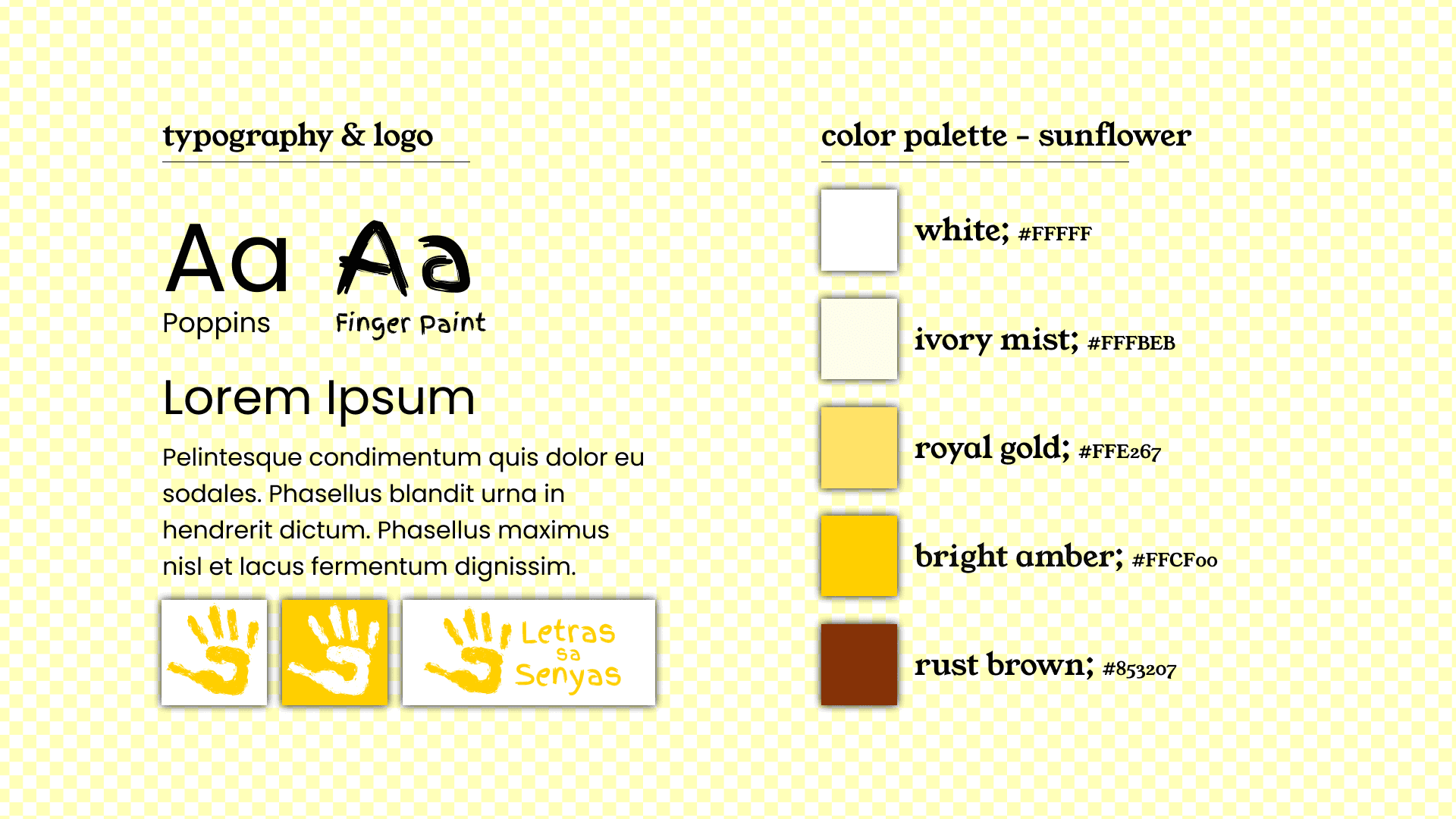
letras sa senyas' branding
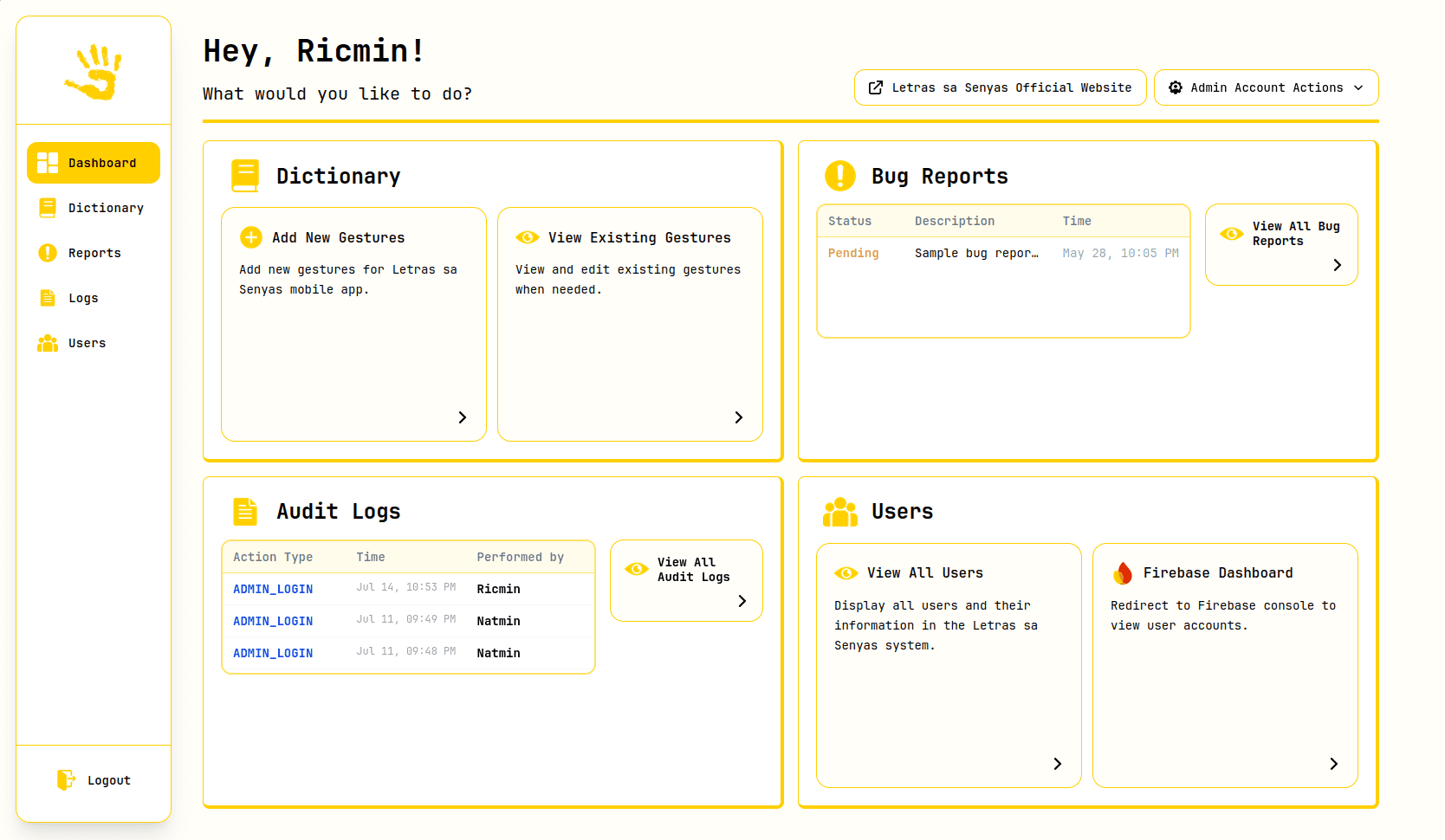
web-based administrator dashboard
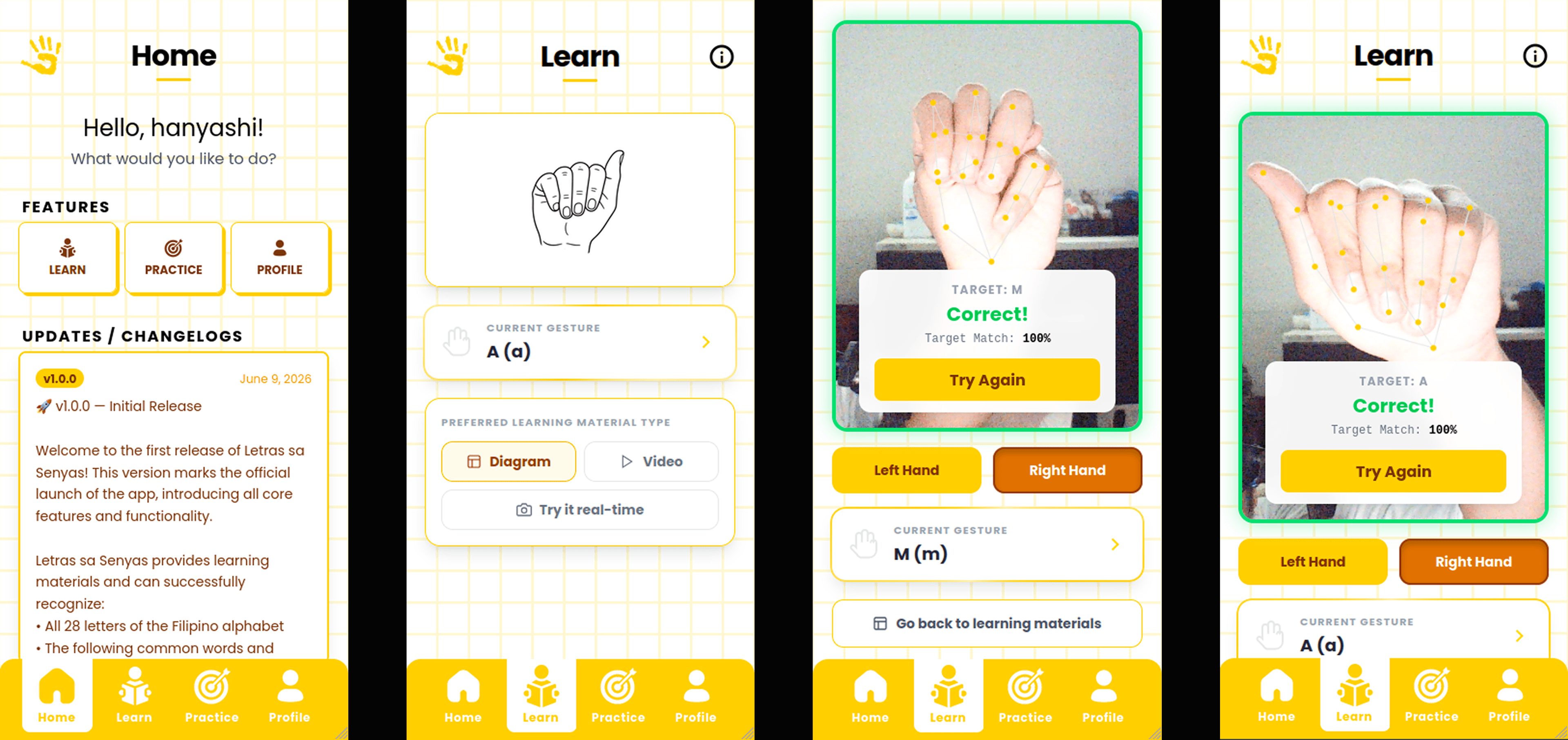
letras sa senyas' ui
the mission
developed as our capstone thesis requirement, letras sa senyas is a real-time gesture recognition application. this system was built in collaboration with two other developers. as the project manager and lead developer, i directed the end-to-end system design and managed project timelines, while serving as the primary engineer for our custom machine learning pipeline
my core responsibilities
- technical leadership: architected the overall system flow, database structure, and user interfaces, with the help of my team
- ai engineering: handled all primary data collection scripts, model training, and integration of the gesture-recognition neural networks into the production mobile environment
the architecture
- frontend & mobile: nuxt.js, vue, capacitor (for native android/kotlin compilation)
- backend & database: firebase
- machine learning: python, tensorflow, opencv, mediapipe
- ui/ux design: figma
system architecture & logic
to ensure a seamless flow of data between the mobile application, the machine learning inference engine, and the administrative dashboard, we mapped out strict system architectures before writing any code:
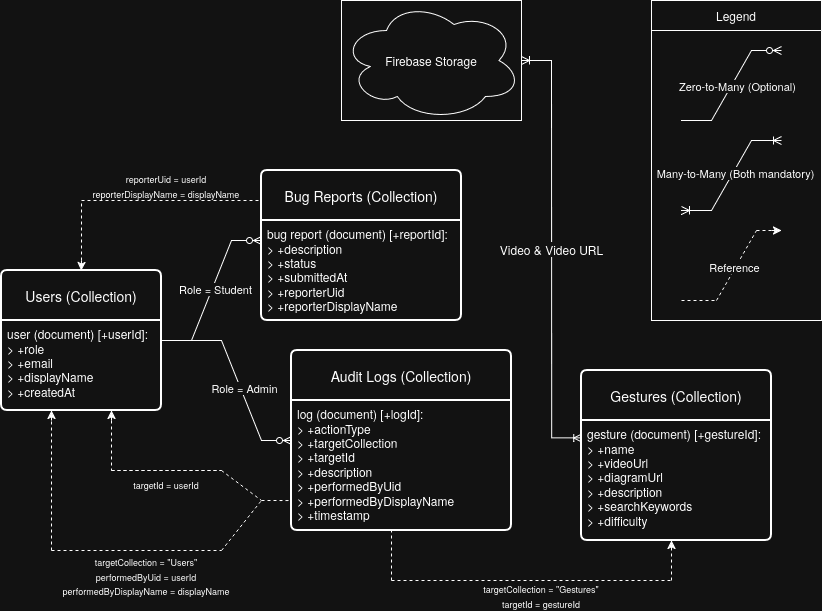
entity relationship diagram
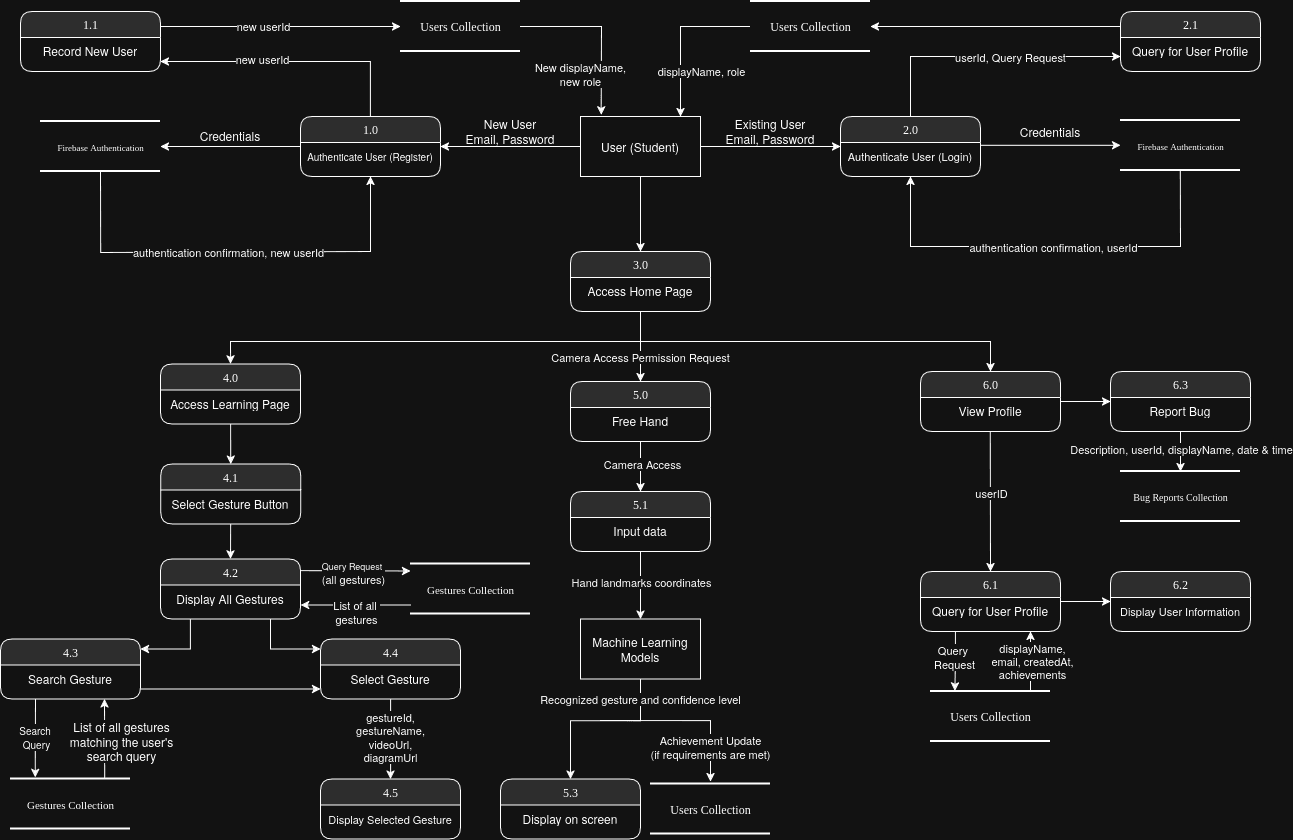
data flow diagram
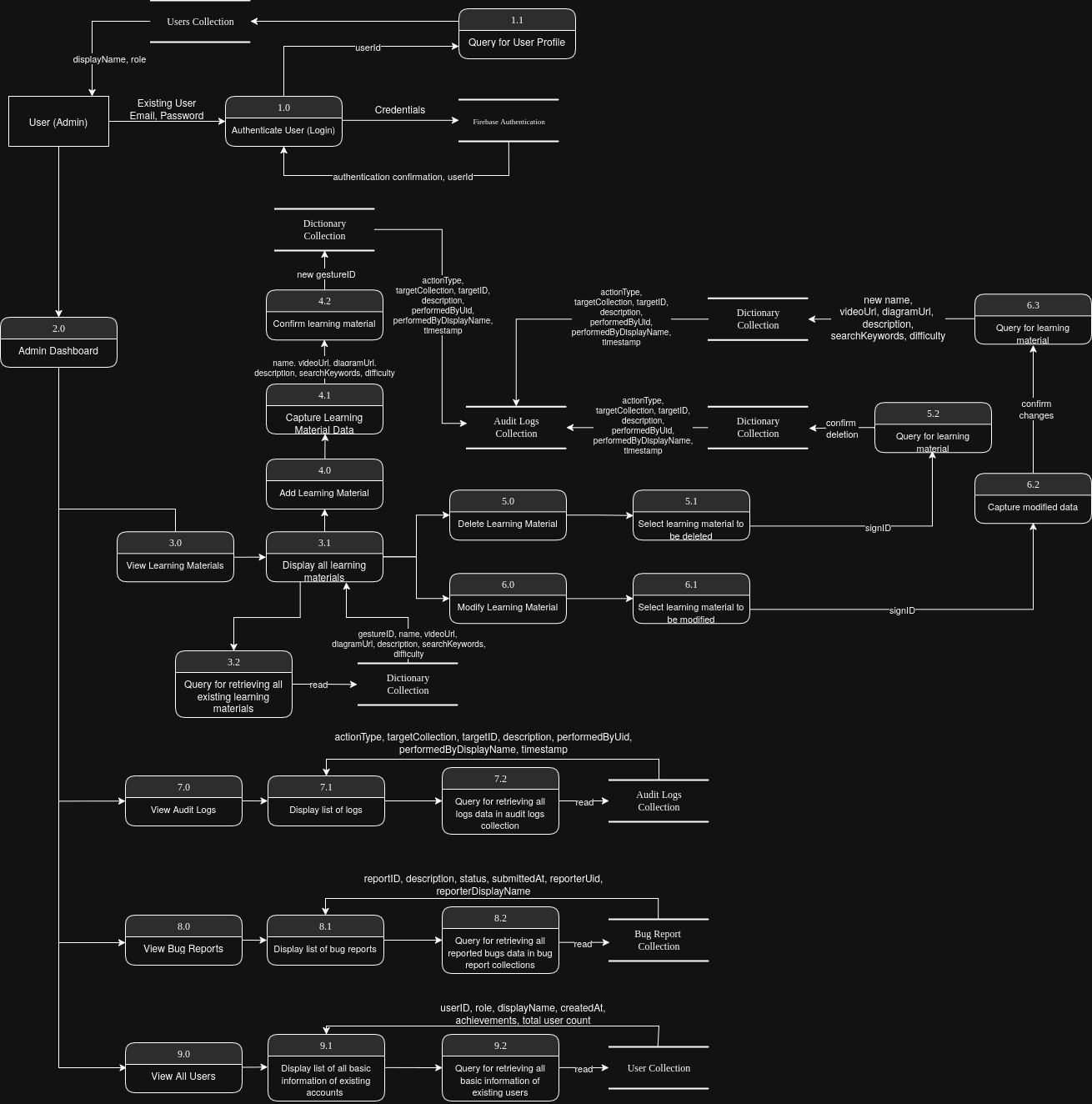
administrator dashboard dfd
machine learning: the hybrid neural network
to accurately translate filipino sign language in real-time, relying on a single type of ai model wasn't quite hitting the mark. i designed and trained a hybrid neural network architecture to handle different types of human movement:
- fully-connected neural network (fcnn): to recognize static gestures (stationary signs like letters or numbers)
- long short-term memory network (lstm): to track and translate dynamic gestures (signs that require continuous motion and sequential time-series data)
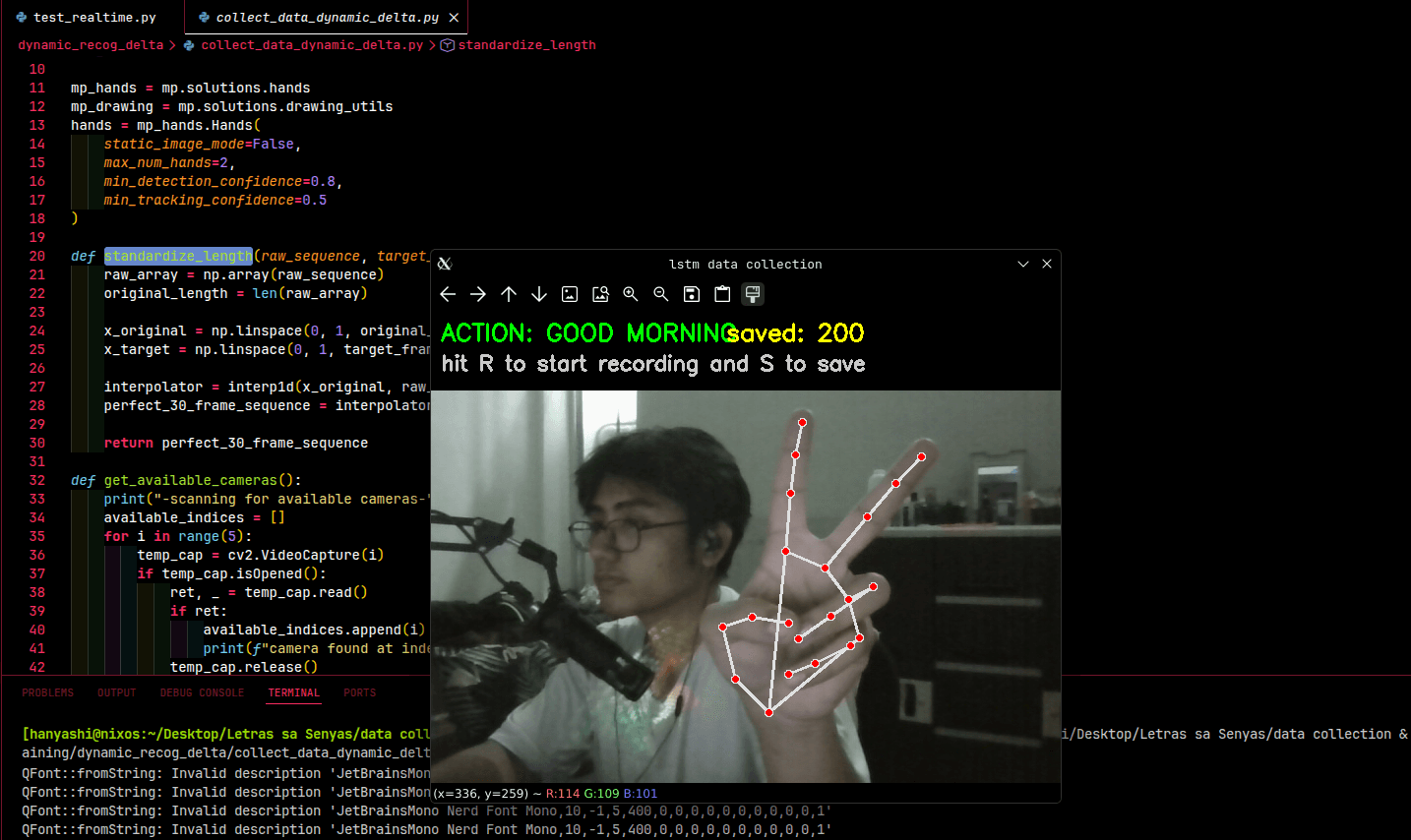
running the data collection script
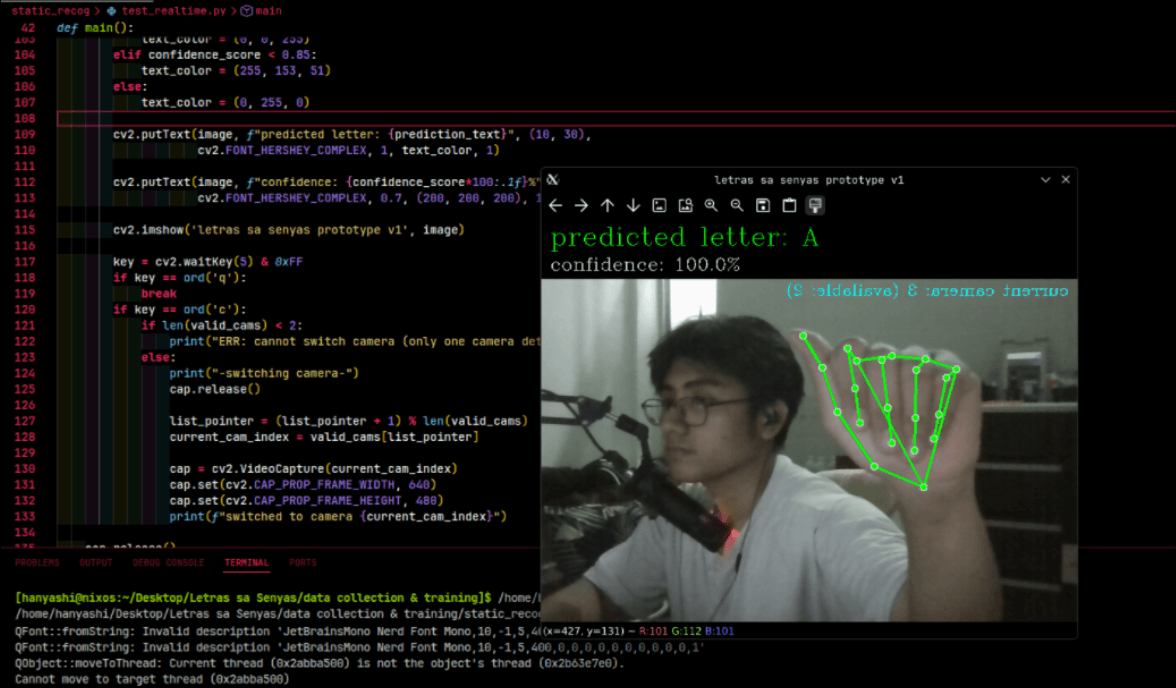
me testing the static gesture recognition model